
Landfill & Brownfield Solar
I.on renewables develops, structures, and advises on solar PV projects for landfills, brownfields, contaminated properties, Superfund-type sites, and other complex land assets. Led by more than 18 years of solar development experience, we help landowners, municipalities, developers, and investors turn constrained sites into long-term renewable energy assets.
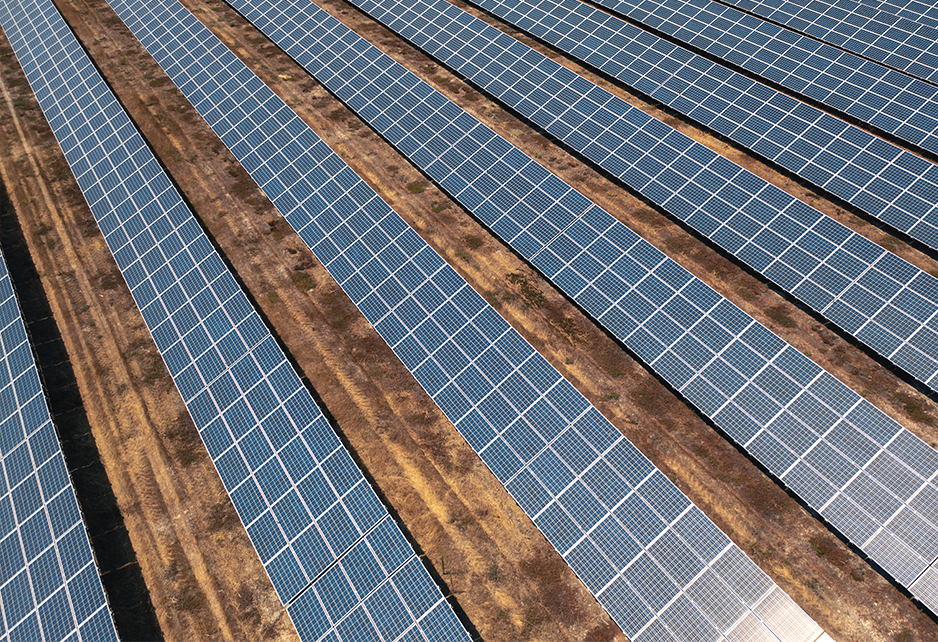
Landfill & Brownfield Redevelopment
Long-Term Solar Opportunities
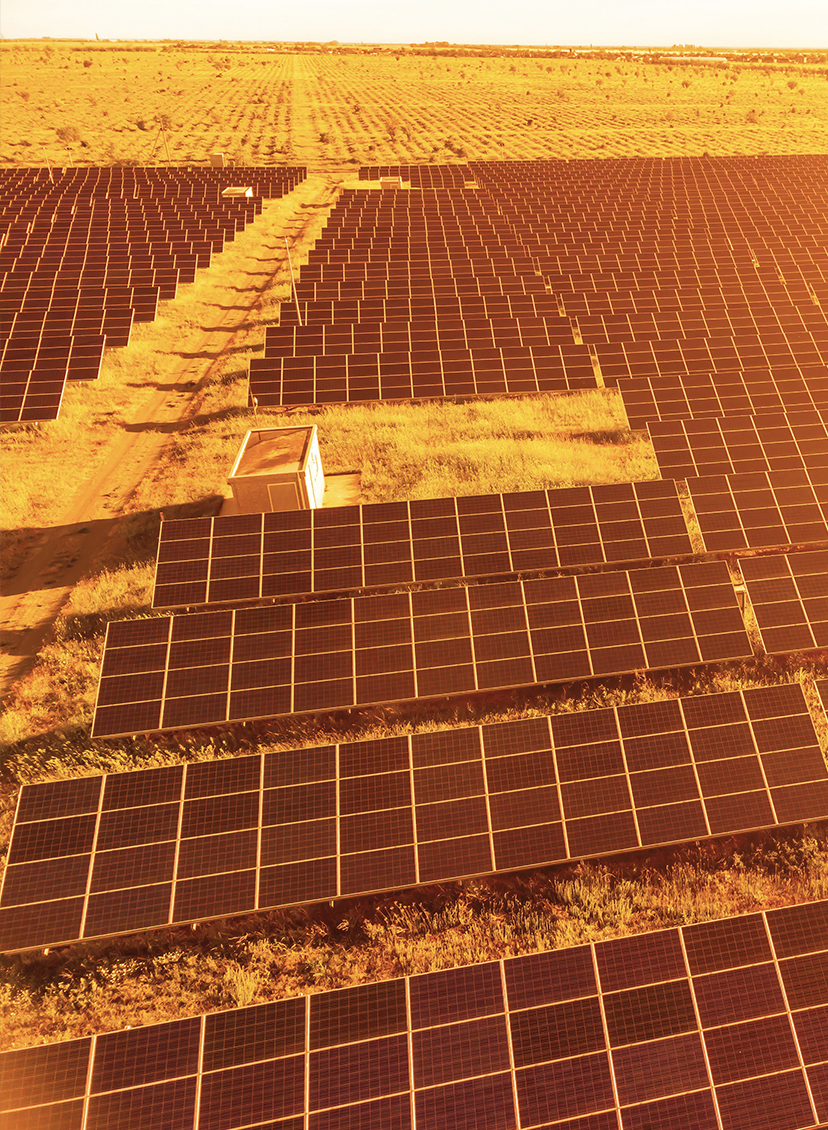
Landfills, brownfields, contaminated properties, and other constrained sites can provide strong opportunities for commercial and utility-scale solar development. While these properties may present challenges for traditional redevelopment, they often offer the space, site control, and infrastructure characteristics needed for successful solar PV projects.
By converting underutilized land into renewable energy assets, municipalities and property owners can generate long-term economic value, support sustainability goals, and return dormant properties to productive use without competing with prime agricultural or developable land.
Managing Technical, Environmental & Development Risk
Developing solar projects on landfills, brownfields, contaminated properties, and other constrained sites requires specialized technical knowledge, careful planning, and early risk identification. i.on renewables helps clients navigate the environmental, engineering, regulatory, interconnection, and construction-readiness issues that often determine whether a project can move forward.
Our experience includes evaluating and coordinating key project considerations such as:
Environmental constraints and site conditions
Landfill cap protection and engineering requirements
Permitting and regulatory compliance
Utility interconnection planning
Site access and constructability
Grading, civil engineering, and stormwater management
Community and stakeholder coordination
Long-term operations and asset planning
By identifying potential risks early in the development process, we help clients move projects forward with greater confidence and a clear path toward successful execution.
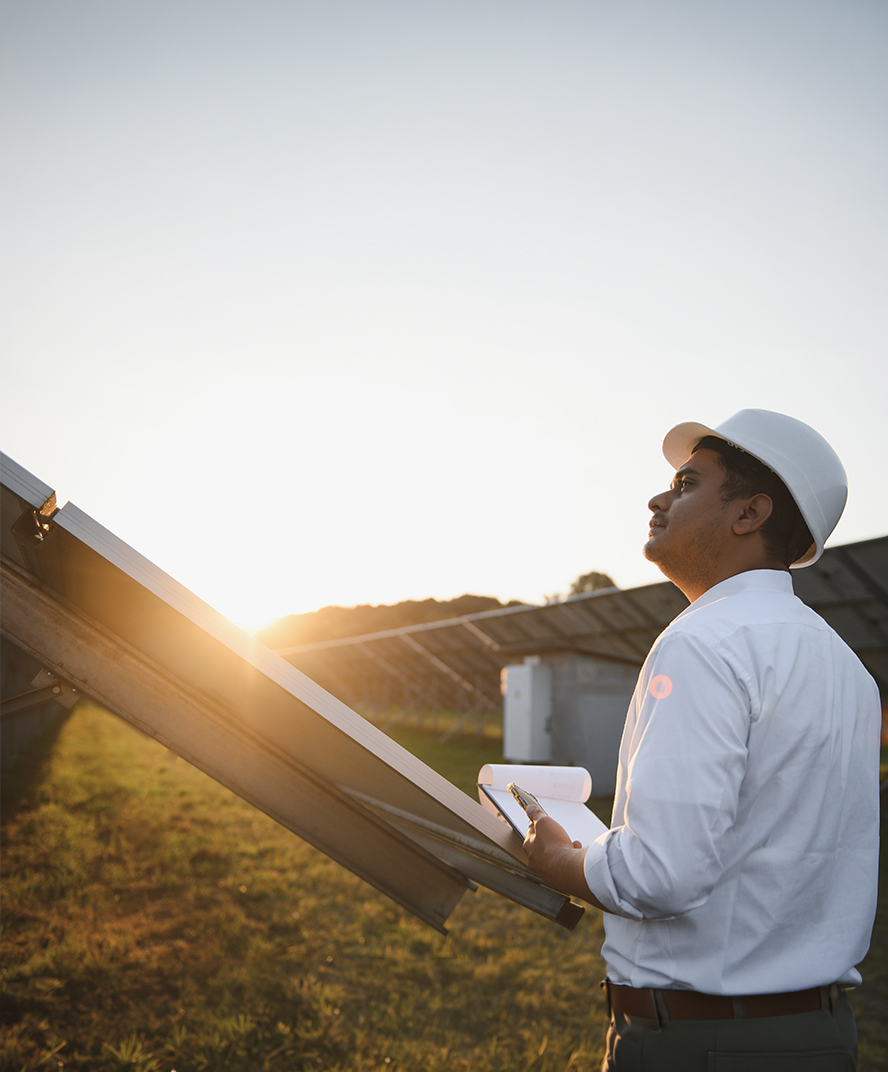
Managing Development Risk
Feasibility Evaluations
Successful landfill and brownfield solar projects begin with a clear understanding of site conditions, development constraints, technical feasibility, interconnection requirements, permitting pathways, and project economics. i.on renewables conducts comprehensive feasibility evaluations to identify opportunities, address challenges early, and support informed investment and development decisions.
Our feasibility and development review process may include:
Site screening and preliminary feasibility assessment
Environmental and regulatory review
Technical and engineering evaluation
Utility interconnection assessment
Financial and project viability analysis
Permitting strategy and development planning
Construction readiness evaluation
Long-term project planning and execution support

Solar Services:
Where to Reach Us:
Address:
707 Westchester Avenue, Suite 116
White Plains, NY 10604
Email:
[email protected]